
Birth Flowers by Month
Each month’s birth flowers with their colors, seasons and traditional meanings, plus the plant an 1825 English calendar gave to nearly every day of the year.
Find your birth flower

Born January 1
January birth flowers
- Carnation
- Snowdrop
Your day in the 1825 flower calendar
- Laurustine Viburnum tinusSaint’s day · St. Faine
William Hone’s Every-Day Book paired nearly every day with a plant in bloom around a saint’s day.
Birth flowers for each month

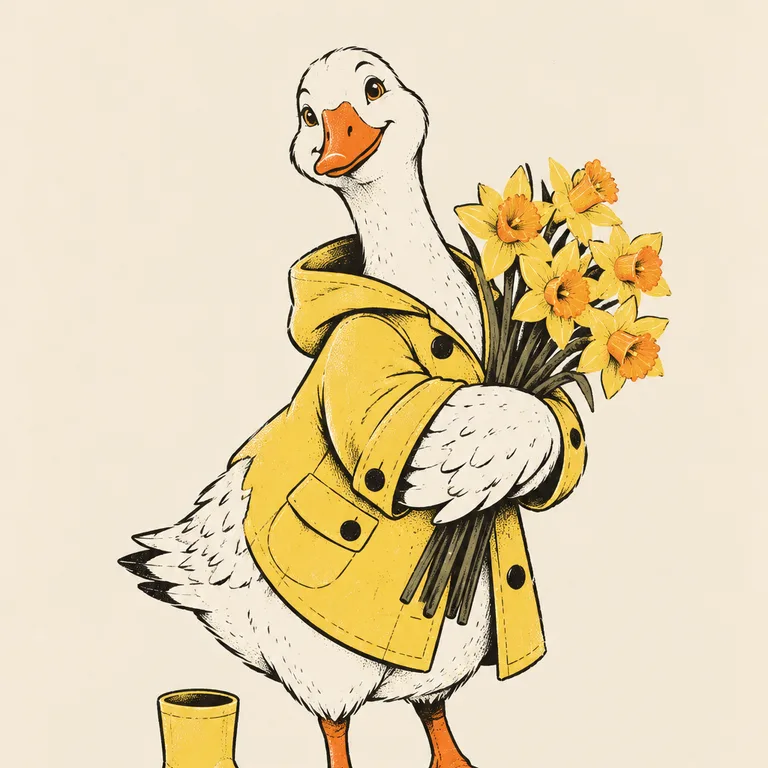
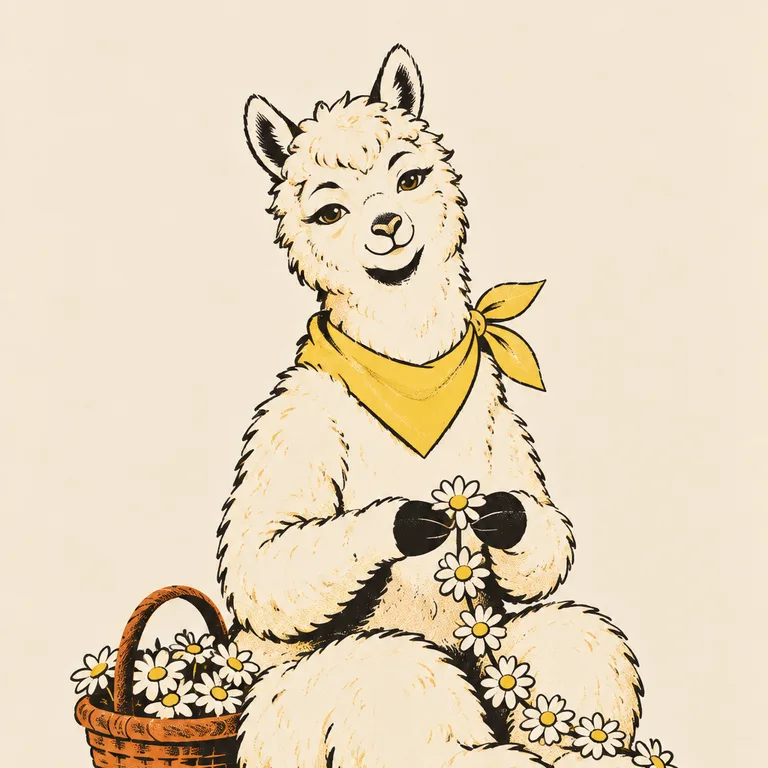
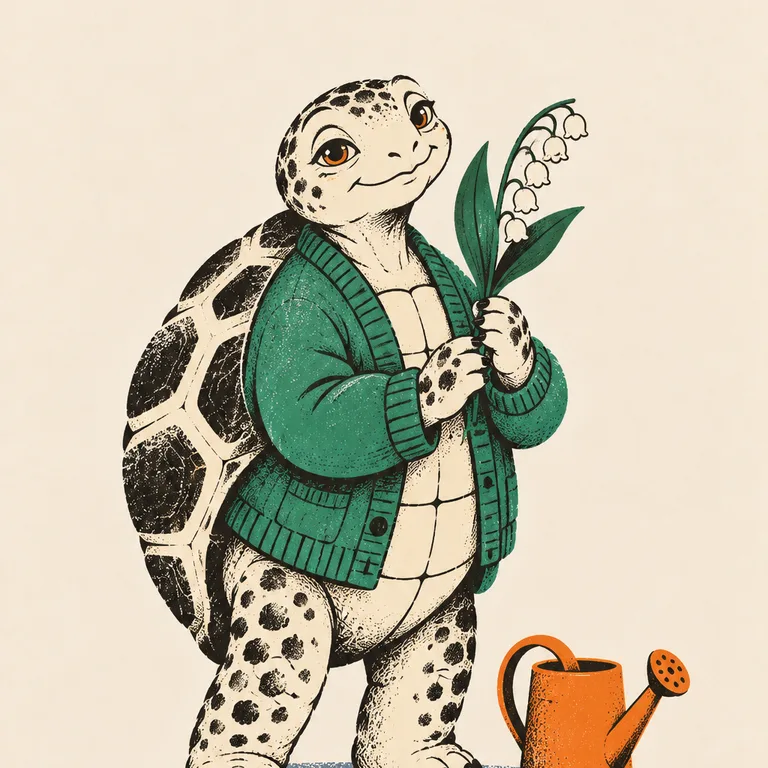

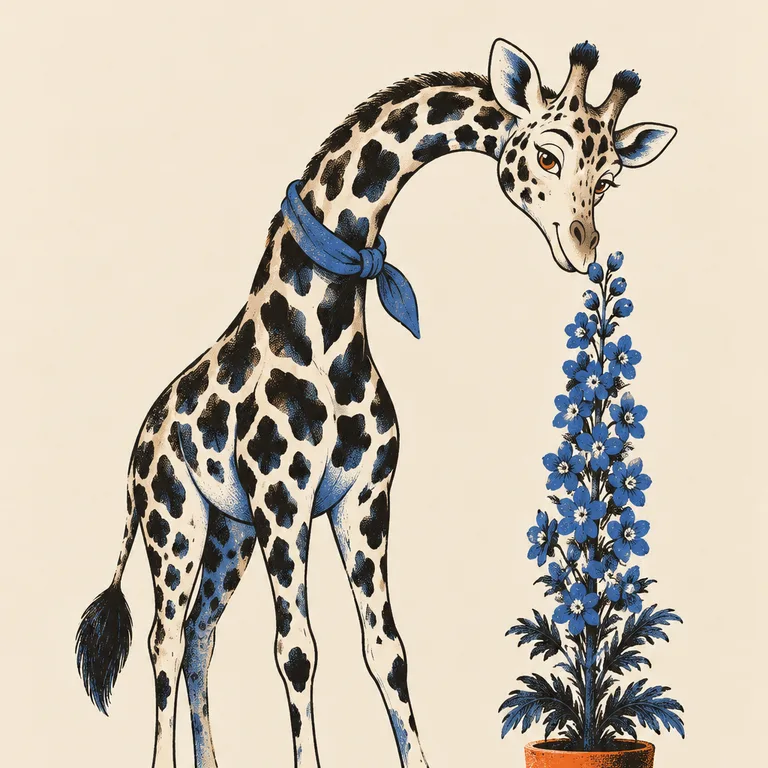

Where the month list comes from
Birth month flowers have no single official list. The version most Americans know is printed by The Old Farmer’s Almanac and the Farmers’ Almanac, and the Society of American Florists publishes its own flower meanings. Where those sources agree, the flower is shown as the month’s main answer; where only one lists it, it is marked as also listed.
Several months differ by source: February is violet in every list, while the Society of American Florists adds iris and both almanacs add primrose. October can mean the African marigold (Tagetes) or the pot marigold (Calendula), depending on who is writing.
The day-by-day flower calendar
In 1825 the London writer William Hone published The Every-Day Book, which assigned a plant to nearly every day of the year, each tied to a saint’s feast and to what was flowering around that date. The book is now in the public domain.
Hone left a few days blank, including March 31, December 31 and February 29, and the lookup says so instead of filling them in.
FAQ
Why do some months have two birth flowers?
Different almanacs and florists picked different flowers, and both stuck. January has carnation and snowdrop; March has daffodil and jonquil.
Are birth flowers the same in every country?
No. The UK and US lists mostly match, but Japan usually assigns a flower to every day of the year, and those daily lists vary from one florist or book to the next.
Is the violet the same as the stock flower?
No. February’s violet is a Viola. Stock (Matthiola) is often mislabeled as February’s flower in Chinese-language sources, but it is a different plant.
Birth flowers and flower meanings are cultural traditions. Month lists follow The Old Farmer’s Almanac, the Farmers’ Almanac and the Society of American Florists; the daily calendar is from William Hone’s The Every-Day Book (1825).